
The Evolution of Hispanic Heritage Month: A Historical Overview

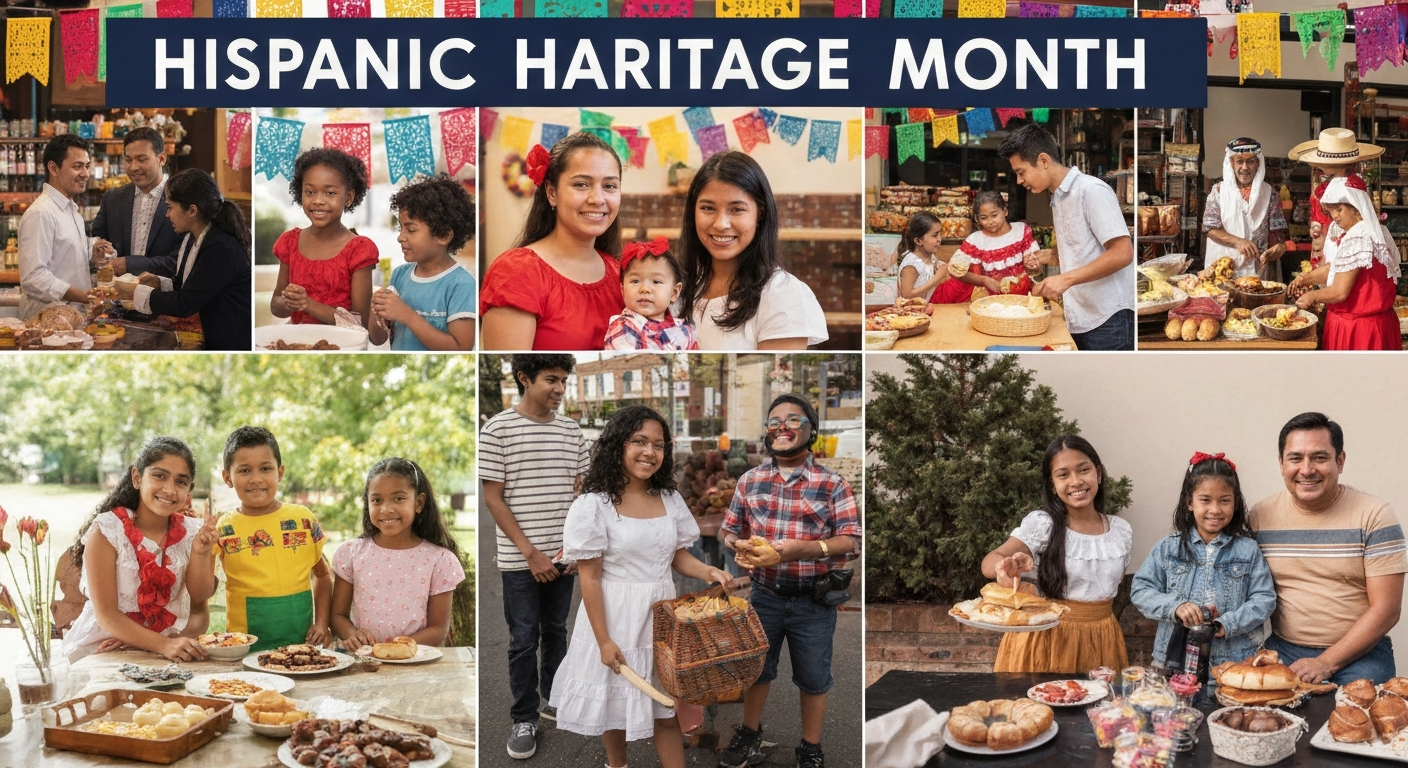
The history of Hispanic Heritage Month is a rich tapestry woven from the threads of advocacy, recognition, and cultural pride. It began as a modest week-long observance in 1968 and has evolved into a month-long celebration of the contributions of Hispanic and Latino Americans to the United States. This article delves into the inception, expansion, and significance of this important observance, highlighting key figures and milestones along the way.
- Established in 1968 as Hispanic Heritage Week by Rep. Edward Roybal.
- Expanded to a month-long celebration in 1988 by Rep. Esteban Torres.
- September 15 was chosen to coincide with the independence days of several Latin American countries.
- Hispanic Heritage Month celebrates the diverse cultures and contributions of over 60 million Hispanic Americans.
Origins: The Birth of Hispanic Heritage Week
The roots of Hispanic Heritage Month can be traced back to the civil rights movement of the 1960s, a time when the contributions of Hispanic Americans were often overlooked in the broader narrative of American history. In 1968, Representative Edward Roybal of California introduced a bill to establish a week dedicated to celebrating Hispanic heritage. This initiative was signed into law by President Lyndon B. Johnson on September 17, 1968. The week was designed to coincide with the September anniversaries of independence for several Latin American countries, including Costa Rica, El Salvador, Guatemala, Honduras, and Nicaragua.
The Expansion to a Month
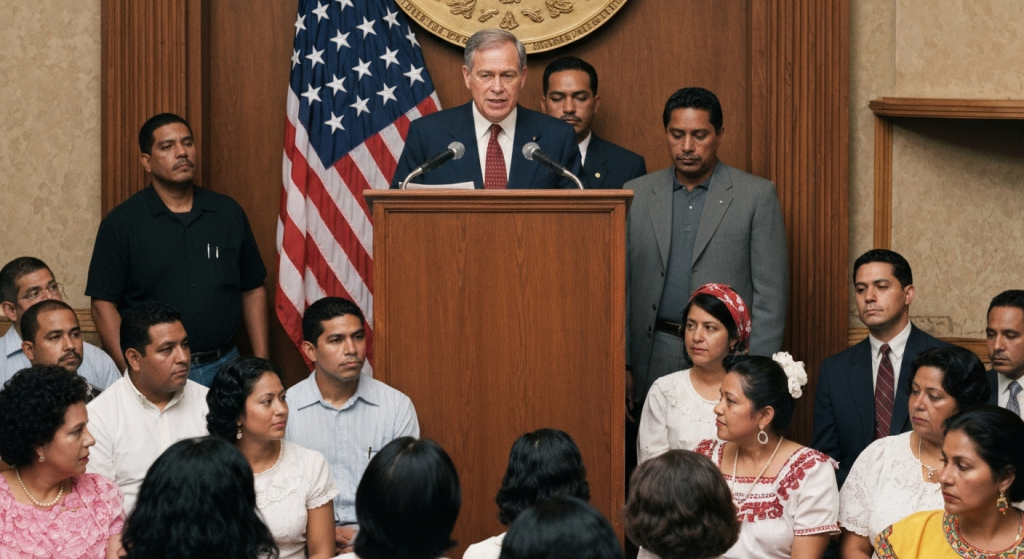
Despite its initial success, the observance of Hispanic Heritage Week was limited in scope. Advocates, including Representative Esteban Torres, continued to push for a more comprehensive celebration of Hispanic culture and contributions. Their efforts culminated in 1988 when President Ronald Reagan signed legislation that expanded Hispanic Heritage Week into a full month, officially designating September 15 to October 15 as Hispanic Heritage Month.
The Importance of the September 15 Start Date
The choice of September 15 as the starting date is significant. It marks the independence days of several Latin American countries, including:
- Mexico (September 16)
- Chile (September 18)
- Costa Rica, El Salvador, Guatemala, Honduras, and Nicaragua (September 15)
This thoughtful selection serves to honor the rich cultural history and diverse contributions of Hispanic Americans, while also reflecting the shared heritage of Latin American nations.
Timeline of Key Events in the History of Hispanic Heritage Month
| Year | Event |
|---|---|
| 1968 | Hispanic Heritage Week established by Rep. Edward Roybal. |
| 1974 | Hispanic Heritage Week is made permanent. |
| 1988 | Hispanic Heritage Month is enacted by Rep. Esteban Torres. |
| 2000 | Hispanic Heritage Month is officially recognized in schools and communities across the U.S. |
| 2026 | The theme for Hispanic Heritage Month will be “Pioneers of Change: Shaping the Future Together”. |
Evolution of Celebrations and Impact
Since its inception, Hispanic Heritage Month has evolved to encompass a variety of events and activities that celebrate the arts, history, culture, and contributions of Hispanic Americans. Across the nation, communities host festivals, parades, educational programs, and cultural events that highlight the achievements of Hispanic figures in various fields, including science, education, politics, and the arts.
Organizations such as the Hispanic Heritage Foundation and the National Association of Hispanic Journalists play pivotal roles in promoting awareness and facilitating celebrations during this month. Moreover, educational institutions use this time to develop curricula that focus on the contributions and histories of Hispanic Americans, further enriching the understanding of their impact on the fabric of American society.
Challenges and Triumphs
Despite the progress made, challenges remain in fully recognizing and celebrating the diverse narratives within the Hispanic community. The term
Related Posts

- Trending
- Comments
- Latest










Celebrating Famous Hispanic American Athletes and Their Legacies

Discover famous Hispanic athletes and their remarkable legacies in American sports, showcasing their cultural impact and achievements.
40 Meaningful Ways to Celebrate Hispanic Heritage Month

Discover 40 meaningful ways to celebrate Hispanic Heritage Month, from food and music to supporting local businesses and community events.
Influential Hispanic Women Who Shaped American History

Explore the legacies of famous Hispanic women who influenced American history across politics, science, arts, and activism.
The Evolution of Hispanic Heritage Month: A Historical Overview

Explore the history of Hispanic Heritage Month, from its inception as a week in 1968 to its expansion in 1988,...